Clinical areas
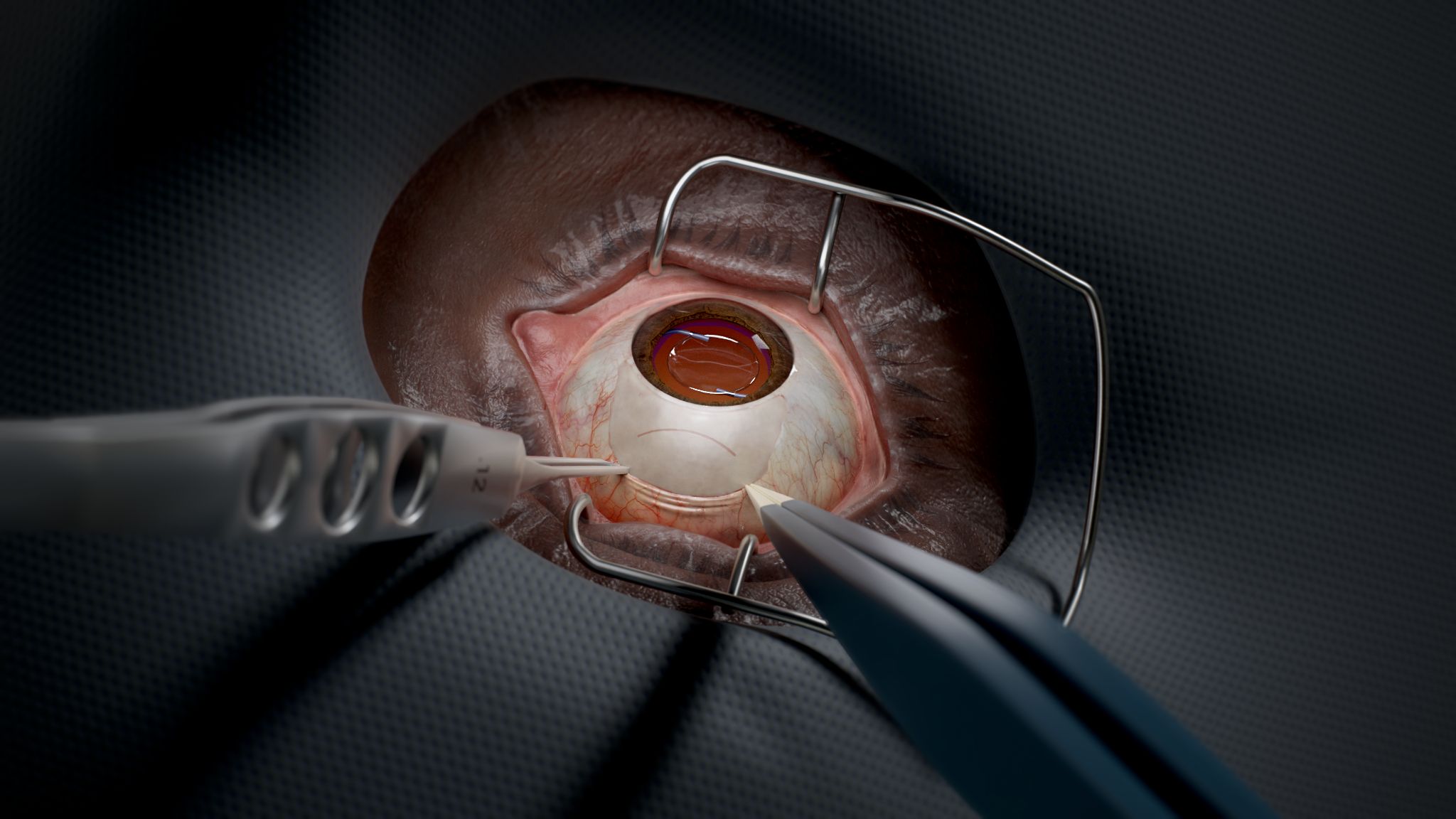
Ophthalmic surgeons, ready before the first patient.
Haptic-enabled VR simulation for the companies bringing new ophthalmic devices, therapies and techniques to market, so surgeon readiness stops being what slows adoption.
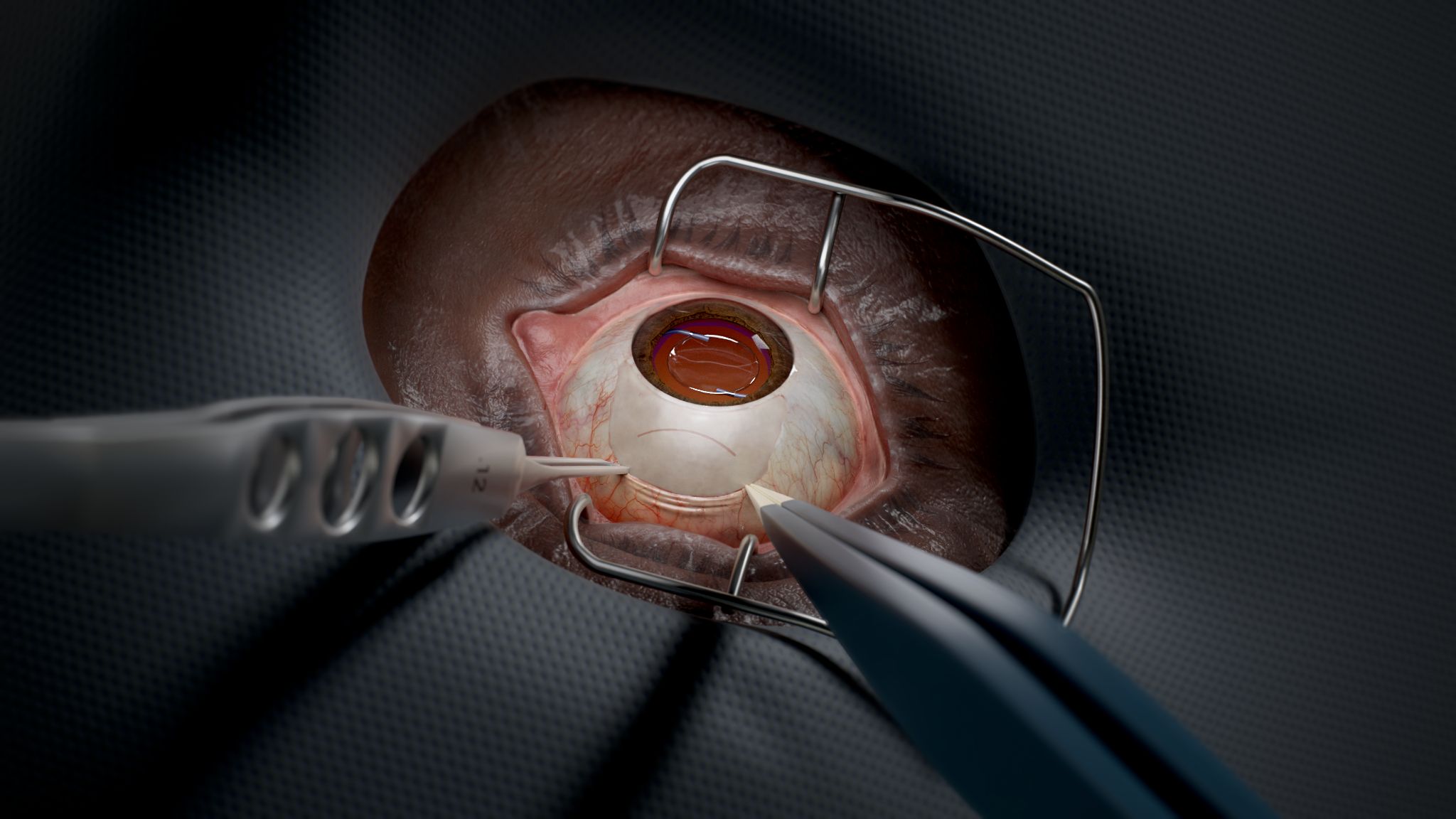
Attending the training was never the same as being competent.
A new IOL, a gene therapy, a new technique. None of it returns anything until surgeons can perform it confidently and correctly.
Wet labs don't scale.
Proctor time is finite and expensive.
Fundamental XR closes that gap, and gives you the evidence it closed.
0%
of ophthalmologists report using immersive VR for surgical training in the past twelve months.
The question is no longer whether surgeons will train in VR. It's whose simulation your device or therapy is taught on.
The impact in real numbers
0%
faster to proficiency. Surgeons trained on Fundamental XR simulations reach defined proficiency benchmarks 40% faster than those on traditional training pathways.
0%
reduction in trainer time. Immersive training decreases the burden on faculty and operating room time.
0
institutions in 10 countries running ophthalmic simulation programs, with over 400 active users and 1,100+ training hours logged to date.
Where we fit in the clinical journey
Four stages, from first exposure to documented competency.
Assess and educate
Residents and clinical specialists learn diagnostic reasoning and procedural theory before a wet lab, and long before a patient.
In action
an immersive Retinopathy of Prematurity trainer built with the American Academy of Ophthalmology, teaching neonatal retinopathy diagnosis to pediatric ophthalmologists.
Plan
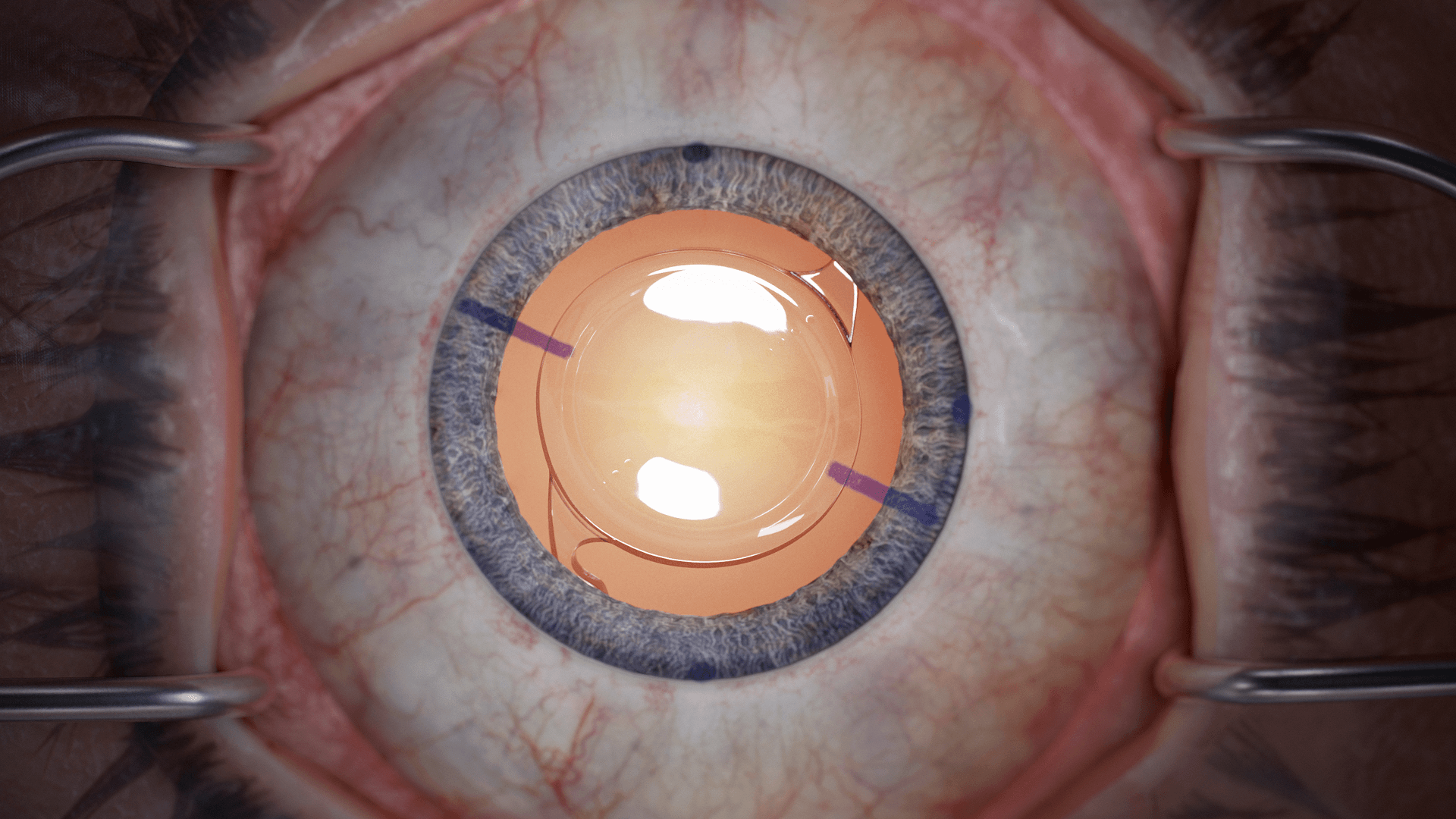
Our parametric eye engine builds patient-realistic 3D anatomy from clinical data, so a surgeon can rehearse a complex approach on a digital twin of the anatomy they'll actually meet, not a generic model.
Treat
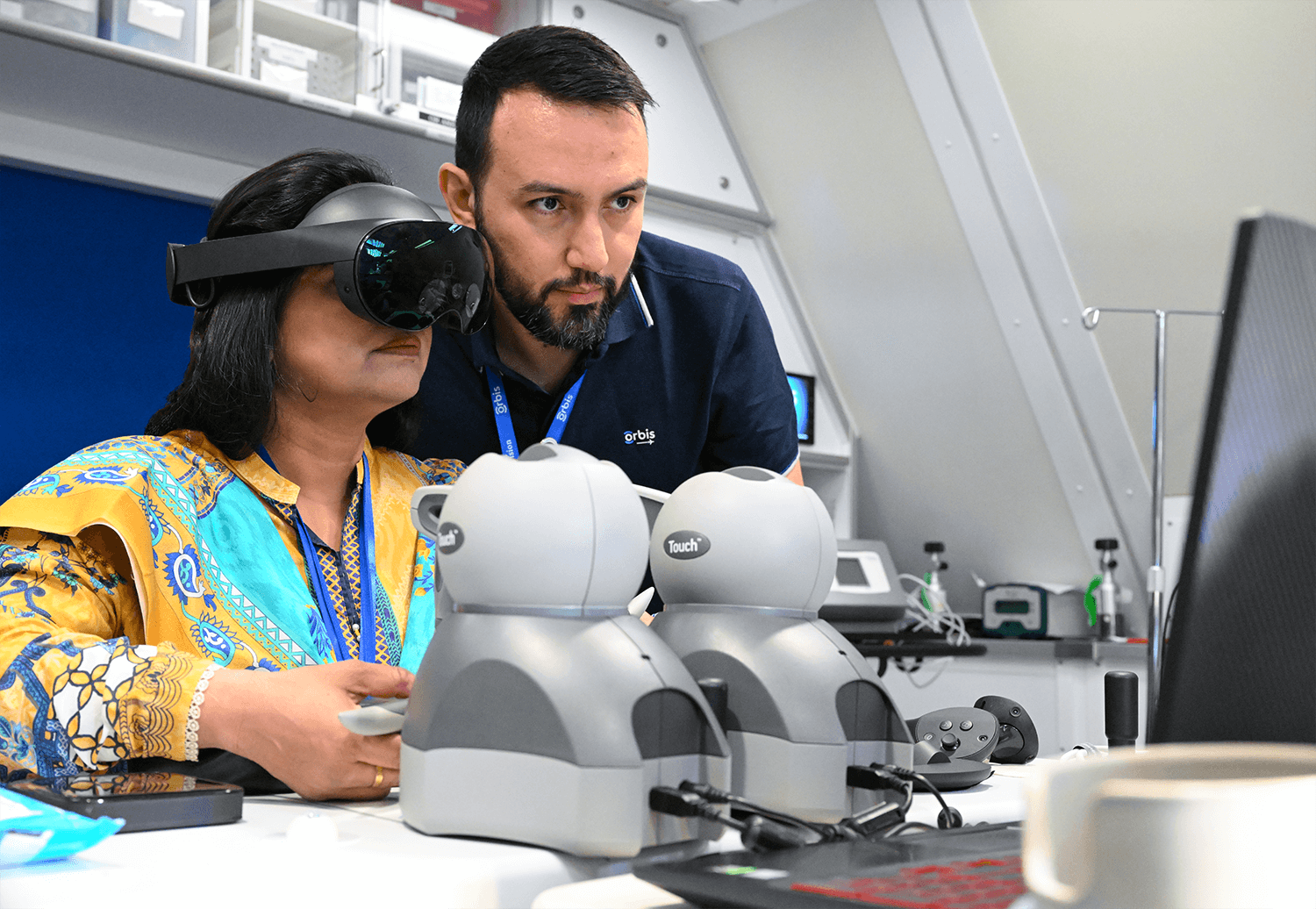
Where muscle memory is built. Our patented HapticVR integration replicates true tissue resistance and tool torque, so surgeons can master intricate procedures, new platforms and novel therapies safely and repeatedly.
In action
Bespoke simulations for J&J Vision, Novartis and Orbis International.
Prove
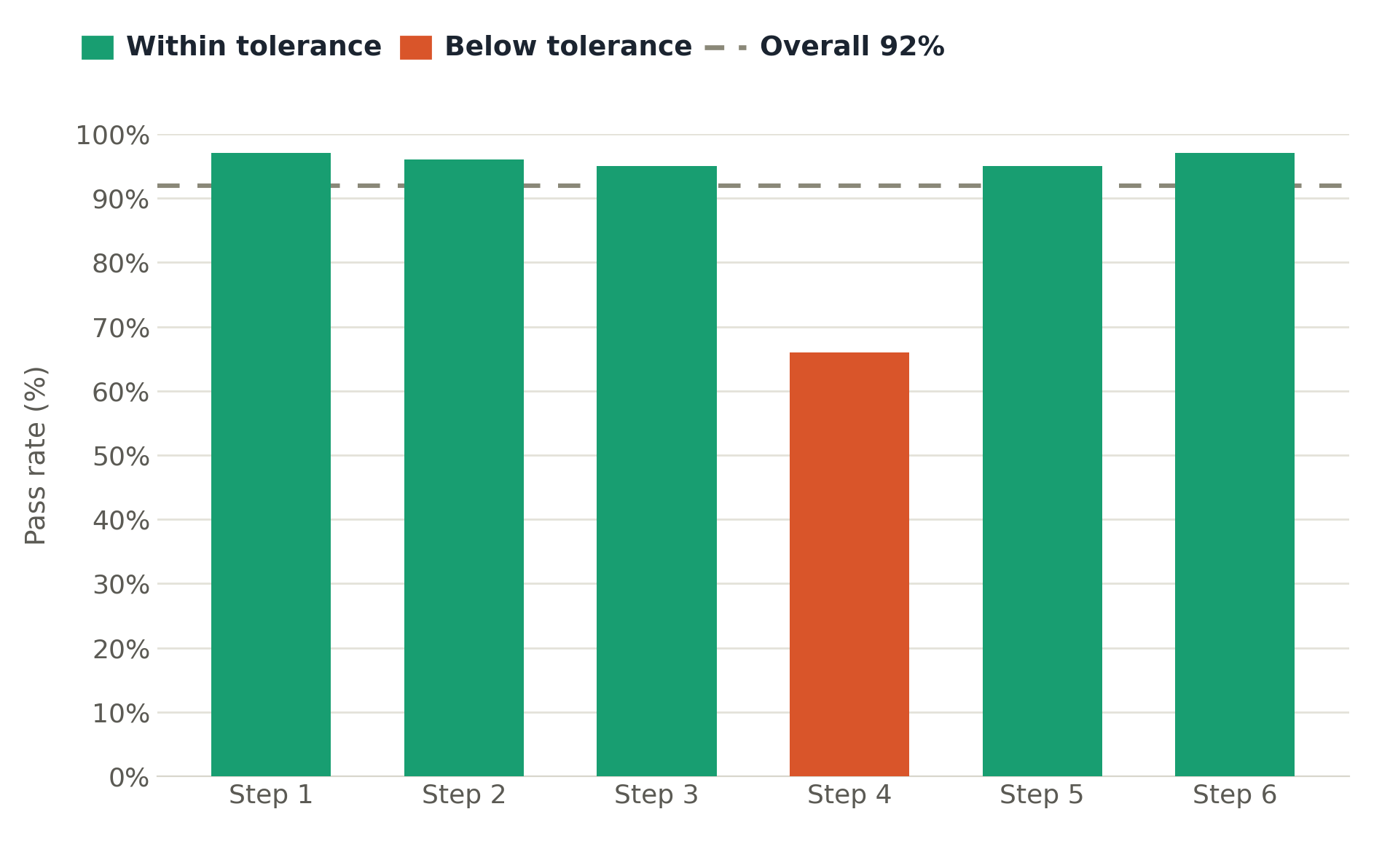
Objective competency scoring, error capture and learning-curve modeling. The result is training records you can put in front of a regulator, a board, or a partner.
Go deeper on ophthalmology
 White paperOphthalmology
Roadmap to success
The adoption of immersive solutions is not a single event, but instead a comprehensive journey.
14 min readRead more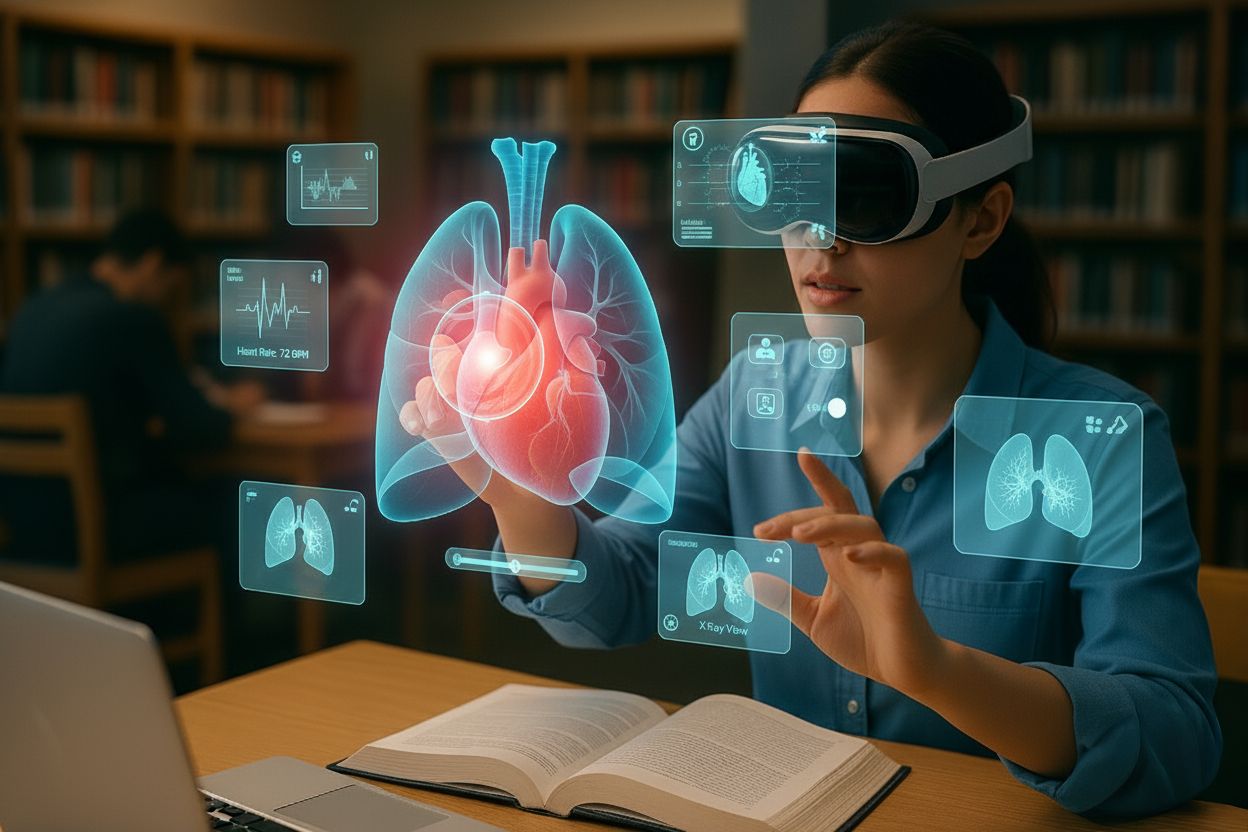 White paperMedical education
Is your curriculum fighting human nature?
It’s time to embrace a new reality in medical education.
9 min readRead more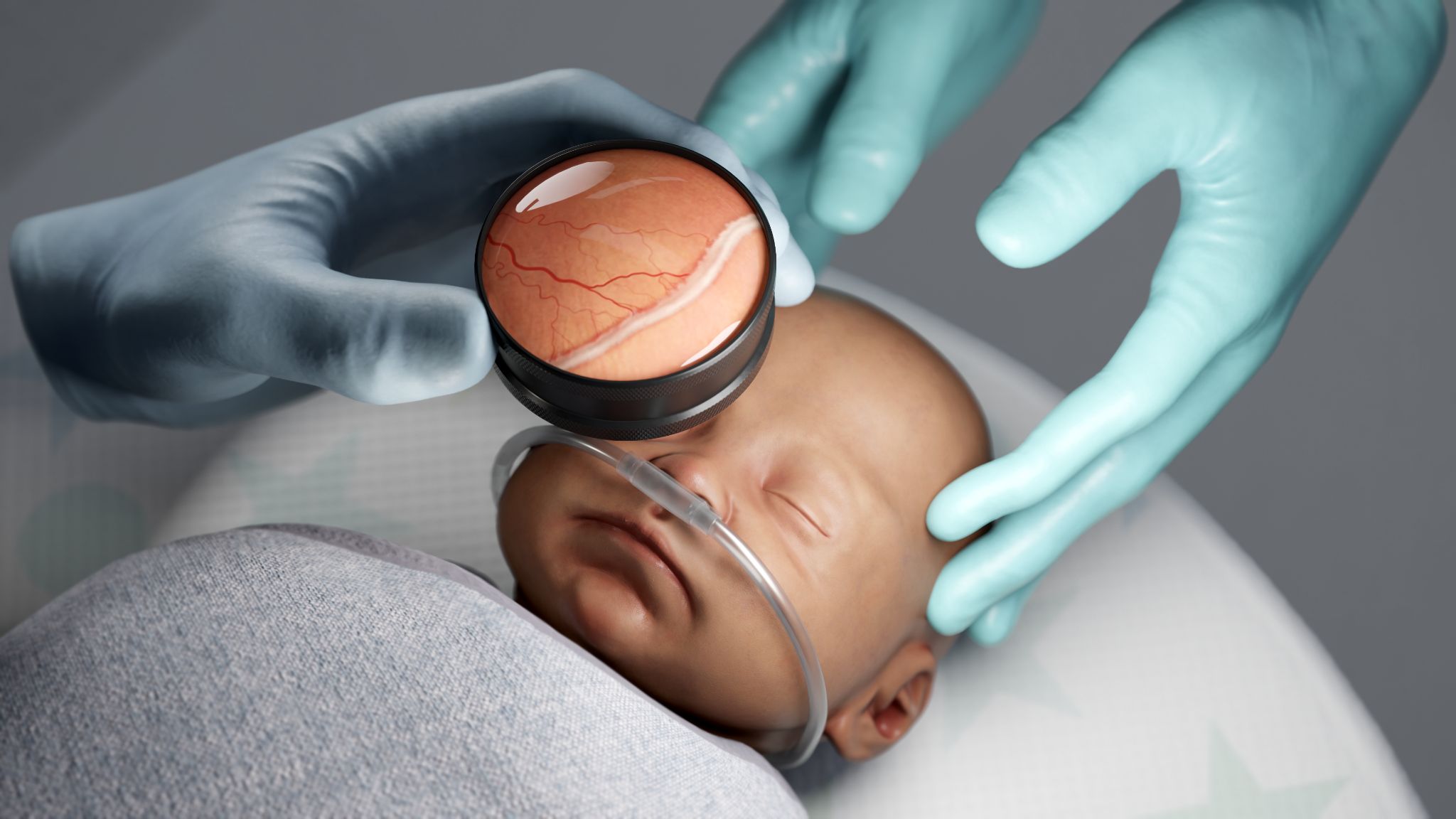 Case studyOphthalmology
Democratizing ophthalmic knowledge
Physician leadership was critical to success as it would not only guarantee accuracy and educational integrity but also aid in adoption and scalability.
Read more
See what readiness looks like for your program
Thirty minutes. Bring the procedure, the device or the therapy. We'll show you what we'd simulate, what we'd measure, and what evidence you'd have at the end.