White paper · Ophthalmology
Roadmap to success
Implementing immersive XR solutions for the future of ophthalmology
There’s a steep learning curve of ophthalmic surgery. [Having a] safe environment in which to learn basic skills is necessary for success.
October 2025 · 14 min read
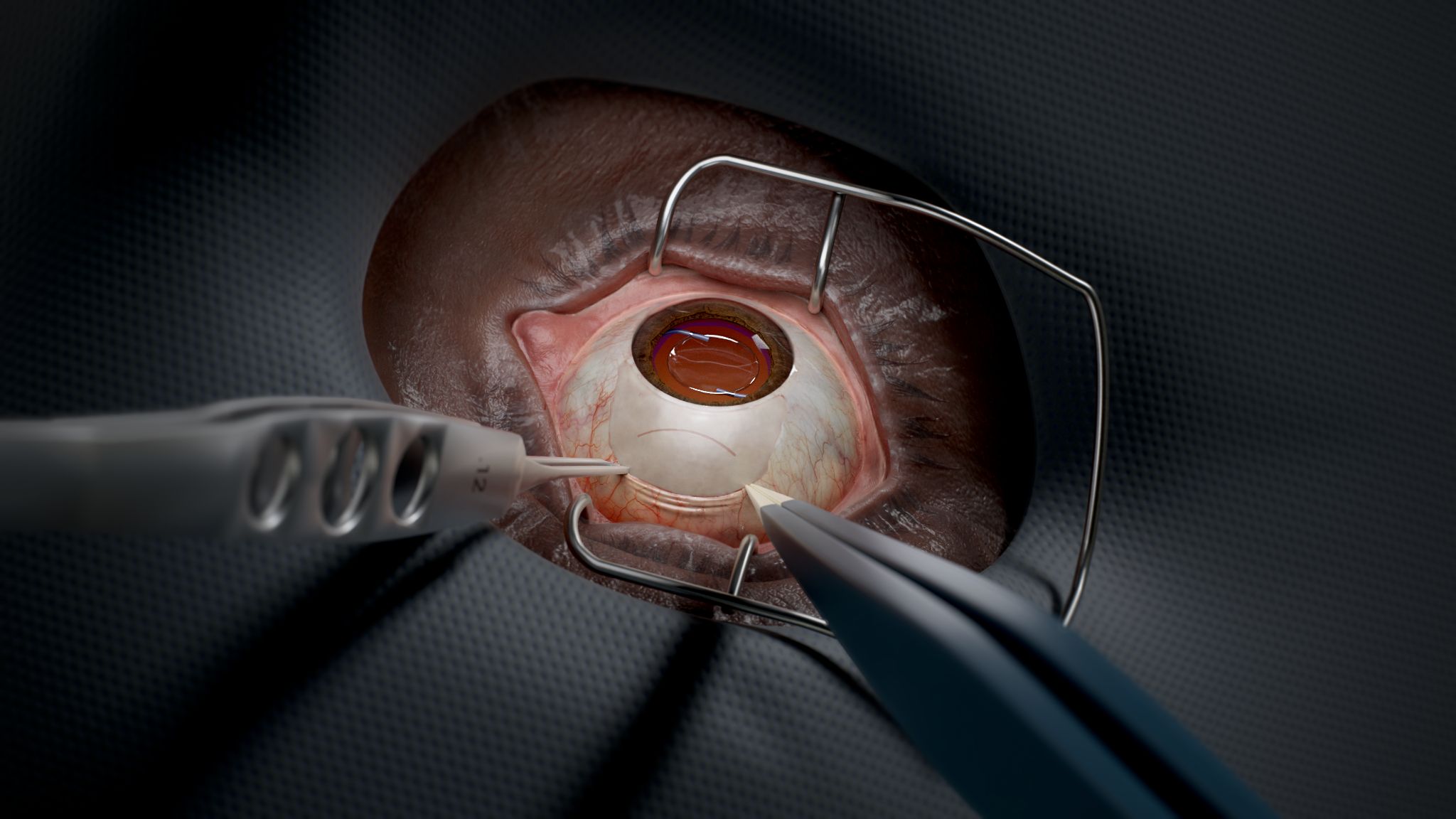
Executive summary
Healthcare 4.0 is upon us and it’s clear that AI and immersive technologies such as virtual reality (VR), augmented reality (AR), and extended reality (XR) will all have a leading part to play in this fast moving change within the medical sector.
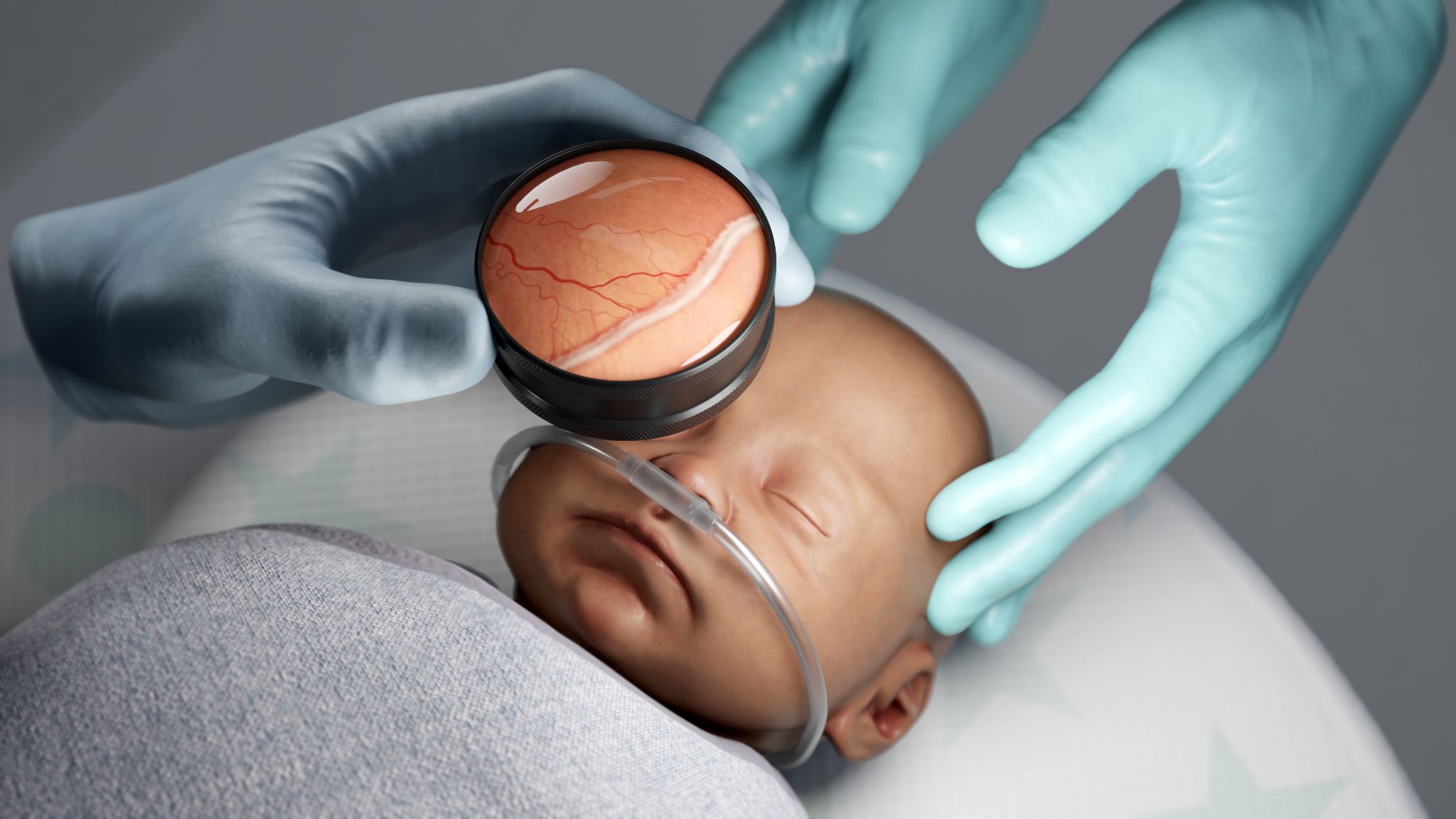
Both Industry and Healthcare Providers (HCP) are leaning in on this revolutionary change and starting to test, learn and scale solutions. As a result, the global healthcare simulation market is expected to reach $7.23 billion by 2030. In the field of Ophthalmology simulation has long been an accepted method of skills acquisition alongside other training modalities. The format and function of that technology is accelerating, so too the clinical demand.
This whitepaper gives credit to how leading organizations, from medtech and pharma innovators to global societies, harness extended reality (XR), revolutionize ophthalmic training, and drive measurable and scalable commercial and clinical impact.
Our insight from practicing Ophthalmologists shows 86% stated they used immersive technology for surgical training in the last 12 months, with 57% stating they also used it for patient education and therapy. The same survey found that 71% of respondents were using the technology to improve surgical precision and ergonomics, with 57% using it to enhance trainee skill acquisition and credentialing.
Bringing these capabilities to market is neither simple nor easy. To be effective it requires detail planning across Value Creation (ROI), Change Management and Solution Development. In this white paper we will be looking at implementing immersive XR solutions, specifically in the field of Ophthalmology. Taking you through the seven phases of the immersive simulation journey, exploring the greatest challenges and barriers to adoption, while also highlighting crucial breakthrough moments, as told by end users and our partners.
Ophthalmologists use of immersive simulations
- 0%
- of ophthalmologists say they’ve used VR for surgical training in the last 12 months
- 0%
- of ophthalmologists say they’ve used VR training for patient education and therapy in the last 12 months
- 0%
- of ophthalmologists use immersive technology for improved surgical precision and ergonomics
- 0%
- of ophthalmologists use immersive technology to enhance trainee skill acquisition and credentialing
The seven stages of the immersive journey
The adoption of immersive solutions is not a single event, but instead a comprehensive journey.
The adoption of immersive solutions is not a single event, but instead a comprehensive journey. To be successful requires a robust amount of planning and meticulous execution across three interrelated tracks: solution development, change management and demonstrating value and ROI. In a complex organization, if attention is paid to all three throughout the journey, challenges are more easily identified and effective solutions are quickly launched. Ultimately, this leads to better adoption, scalability and optimization.
Change management
Solution development
Value & ROI
- Change management
- Solution development
- Value & ROI
| 01Defining vision | 02Requirements capture | 03Shaping solutions | 04Launching with impact | 05Iteration through insight | 06Scaling for success | 07Optimizing for the future | |
|---|---|---|---|---|---|---|---|
| Change management |
|
|
|
|
|
|
|
| Solution development |
|
|
|
|
|
|
|
| Value & ROI |
|
|
|
|
|
|
|
Defining vision
Aligning innovation goals with ROI proof.
Linking VR training to prevention of blindness in children.
The journey to implementation begins by establishing a clear and strategic vision. The challenge at this stage is often aligning innovation goals with the pressure to demonstrate a proven ROI from the outset. Success hinges on defining a scope that balances learning through innovation against a strong value framework.
For strategy to be effective, it must identify how the new solution will deliver improved outcomes. This requires a thorough analysis to determine inefficiencies and areas ripe for change in the current state. It's equally important to set realistic expectations around what can be achieved in each phase. Rather than doing too much, too soon, plan a series of steps that steadily move towards long-term strategic vision. This staged approach will accelerate time-to-value and also get your product into the hands of your users and customers sooner.
Critical breakthrough can occur when corporate strategic priorities unlock the necessary investment for an innovation opportunity. Expect this to happen in stages following milestones and proof points of value realization.
A leading professional body in the medical field identified a critical need to accelerate training for a high-stakes procedure that addresses the leading cause of blindness in children. With traditional training methods being too limited in terms of scale and speed, the organization made a strategic decision to invest in VR simulation.
With a broader mission of improving outcomes and preventing avoidable harm, the organization's vision for the solution included the ability to expand training modules for other procedures in the future. In this case, VR simulation is key to unlocking the democratization of ophthalmic knowledge.
“Simulation was the only way to accelerate.”
Requirements capture
Identifying the best-fit use case across distinct partner constraints.
Clarity on commercial benefits and an authentic end user voice.
Once strategy is set, the focus shifts to defining detailed requirements. Every partner will have distinct conditions and constraints. The challenge comes with identifying the best-fit use case.
Defining solution focus from the onset is paramount to a successful journey. Establishing requirements such as whether the solution will be fully immersive (VR) or allow for a blended mixed reality experience, is key to success. Knowing whether a simulation is being built to understand the steps of a procedure, or whether it is to deliver full surgical skills training is an important distinction. Where the objective is surgical skills training, a higher fidelity solution will be required, with haptic feedback vital to locking in the correct pressure and accuracy.
Focus should also remain on where technology can overcome pain points for end users and offer the most potential for improvements. Concentrating on what the simulation can achieve in terms of things that are hard, expensive or dangerous in the real world. Breakthroughs are achieved when clarity on commercial benefits is revealed, an authentic end user voice is captured and a solid business case gains leadership approval.
The importance of a strong end user voice can't be denied. Capturing it sometimes means going beyond traditional practices and engaging directly with the healthcare professionals who will be using the technology.
During the development of a surgical training simulator, one project team worked directly with a leading surgeon throughout the early build stages. The close collaboration resulted in a better understanding of the intended haptics and the ability to achieve the correct resistance/friction values in real time. The surgeon's access to simulation development not only improved accuracy, but also built trust and will aid adoption for future users.
“Without clinician buy-in from the outset, even the most sophisticated technology remains just an interesting proof of concept.”
Shaping solutions
Unknowns in product behavior.
Weekly calls with KOLs ensured clinical accuracy.
With the requirements defined, teams can now turn their attention to the solutions phase. The challenge can lie in not fully knowing how end users will engage with, use and integrate the immersive solution into their learning pathways. A proven solution to reduce this risk is to employ an agile and iterative approach to development, giving clients greater visibility throughout the process.
Teams can provide VR equipment and regular interim builds with Key Opinion Leaders (KOLs), helping to early 'road test' solutions and opening opportunities to refine interactions for greater real-world accuracy.
One medical association that decided to adopt a collaborative approach did so by holding weekly development review calls with their KOLs throughout the development solution phase. These calls were used to shape every detail of their simulator, meticulously going over every feature and aligning it with their educational objectives. This engaged approach ensured the final product was not only technically sound but also clinically effective for the end user's needs.
“We've seen that even novice surgeons, with VR practice, become independent very quickly and patient outcomes have improved while trainer time in the operating room has reduced.”
Launching with impact
Time-consuming onboarding and user friction.
Hospital-Based Trainings (HBTs) → super-users accelerate adoption.
The development and launch phase requires careful planning and focus, particularly when onboarding new users. While a significant undertaking, this phase is critical to ensuring a smooth user experience that promotes long-term success. Proactive support is necessary to form and reinforce XR learning habits in a way that instills confidence, improves outcomes and drives adoption.
Breakthrough moments are achieved when constructive feedback is received from end users. Incorporating Hospital-Based Trainings (HBTs) is an effective way to support this process, helping early users develop clarity and ease of use. These initial users are given in-person training, effectively creating “super-users” who then go on to train others with confidence.
For one simulator project, a more hands-on approach made all the difference. HBTs were deployed to ensure a smoother, more efficient roll out. By taking a more proactive approach to implementation, UX was significantly improved, users were able to overcome the initial learning curve with relative ease and utilization of the simulation increased.
“The simulator doesn't just help trainees. It reduces trainer time in the OR. And that means better patient outcomes.”
Impact
reduction in trainer time = faster adoption and better patient outcomes
Iteration through insight
Turning real-world usage into decisions.
Successful users demonstrate impact and become champions for the solution.
With the initial launch phase complete, the opportunity arises to observe real-world use at scale and monitor user experience in a way that will enhance adoption and drive future optimization. Interpreting data, evaluating analytics and obtaining direct feedback to enhance future versions of the solution is key to achieving success.
By prioritizing the end user experience, through enhanced performance data and proactive user engagement, solutions become clear and adoption builds. Breakthrough moments happen when successful users are able to demonstrate impact, becoming champions for the solution and reinforcing the value of the investment.
Today's simulations capture a wealth of data on utilization, as well as specific individual level and rolled up data scores on the progress, accuracy, mistakes and speed. While program success is often judged in terms of accessibility and usage, intelligent reporting and actionable insight from performance data, helps shed light on the impact on user confidence, speed and performance.
For one hospital in India, simulation is now a compulsory part of the program and integral to their wet lab training. With high usage comes continued improvement, even from the most novice surgeons who report becoming quickly independent on the simulator.
Other data includes improved patient outcomes and reduced trainer time in the operating room. This breakthrough requires the implementation of data recording beyond the simulator itself and when in place provides powerful evidence for the technology's real-world impact and helps build good momentum for wider adoption.
“I just wanted to say that I thought there was a great improvement on the adjustment feature, it is very intuitive, I think it will enhance the overall user experience.”
Scaling for success
High initial costs, regulation/privacy hurdles.
Strong enterprise plan + reusable solution elements.
With initial deployment complete, and positive results achieved through delivered enhancements, the scale up phase can begin. This represents an exciting opportunity to expand into new markets, provide new procedure or modality solutions and engage more innovative approaches across the broader business.
The ability to scale beyond the initial phase can depend on the commercial model chosen and the simulator's platform and technology design. It's important that when shaping the solution due consideration has been given to this so that you are set up to scale in a way that is robust and financially and technically feasible to your organizations, your development partners and end users.
As seen throughout the journey, a proactive approach is the best way to empower champions and inspire advocates who can support rollouts and help reduce reliance on traditional training methods. Breakthrough is achieved when a clear proof of impact and a compelling ROI is established, leading to approval for a wider scale up.
A strong enterprise scale up plan and business case should be established to secure support and manage resistance. Leveraging reusable elements of the solution to identify efficiencies and ways to effectively measure impact in terms of ROI, value, training time and product utilization, are also vital.
“[We need to] find ways to integrate [simulations] into multiple pathways to allow for amortization across different budgets.”
Optimizing for the future
Prioritizing resources across markets.
Continuous optimization → consistent ROI + feedback-driven roadmap.
Continuous optimization is always the end goal. The challenge at this phase is how to effectively prioritize investment and resources fairly across product portfolios and emerging markets.
By focusing on performance outliers, issues can be diagnosed faster, and best practices can be easily captured to provide necessary solutions. Breakthrough is achieved when optimization establishes a clear and consistent ROI.
Throughout the entire journey, commitment to the end user experience reigns supreme. With a clear vision of the future, end users are key to driving solutions forward, capturing new requirements, recognizing opportunities and providing the vital feedback that will define future solutions.
“I think there should be a simulator available in every hospital (even public hospitals) because it really improves the way we treat patients.”
The future of immersive XR solutions
As the global healthcare simulation market continues to experience exponential growth, new standards and practices are rapidly emerging. At the same time, the capabilities of both hardware and software continues to accelerate, creating opportunities to enhance and refine the user experience as well as reduce friction and rapidly increase scale.
From advanced haptics and forced-feedback systems to spatial capture techniques, hand tracking refinements, mixed reality headsets, generative AI and real-time contextual intelligence, the possibilities for refinement, improvement and expansion are endless.
As one ophthalmologist noted, immersive technology in the field “will continue to grow and be more useful.” Stating that in the future, “being able to virtually examine and teach” through immersive technology and simulation will be valuable.
This vision aligns with a broader shift currently reshaping industries across the globe. We are now entering the era of all-day wearable intelligence, where mixed reality and AI converge to deliver seamless, natural and context-rich computing through lightweight, socially acceptable devices.
Unlike the bulky headsets of the past, the next generation of Mixed Reality (MR) glasses will integrate ambient computing into everyday clinical work. For the healthcare industry this means seamless integration of patient data, hyper-personalized training, smarter operations and accelerated regulatory pathways.
Driven by the desire to improve outcomes, enhance skills and redefine training, immersive simulation will play a crucial role in the future of ophthalmology. By harnessing the latest advancements and implementing immersive, data-driven and globally scalable solutions, standards in education and care delivery will revolutionize. Resulting in better patient care, earlier disease detection, safer surgeries and better prepared clinicians.
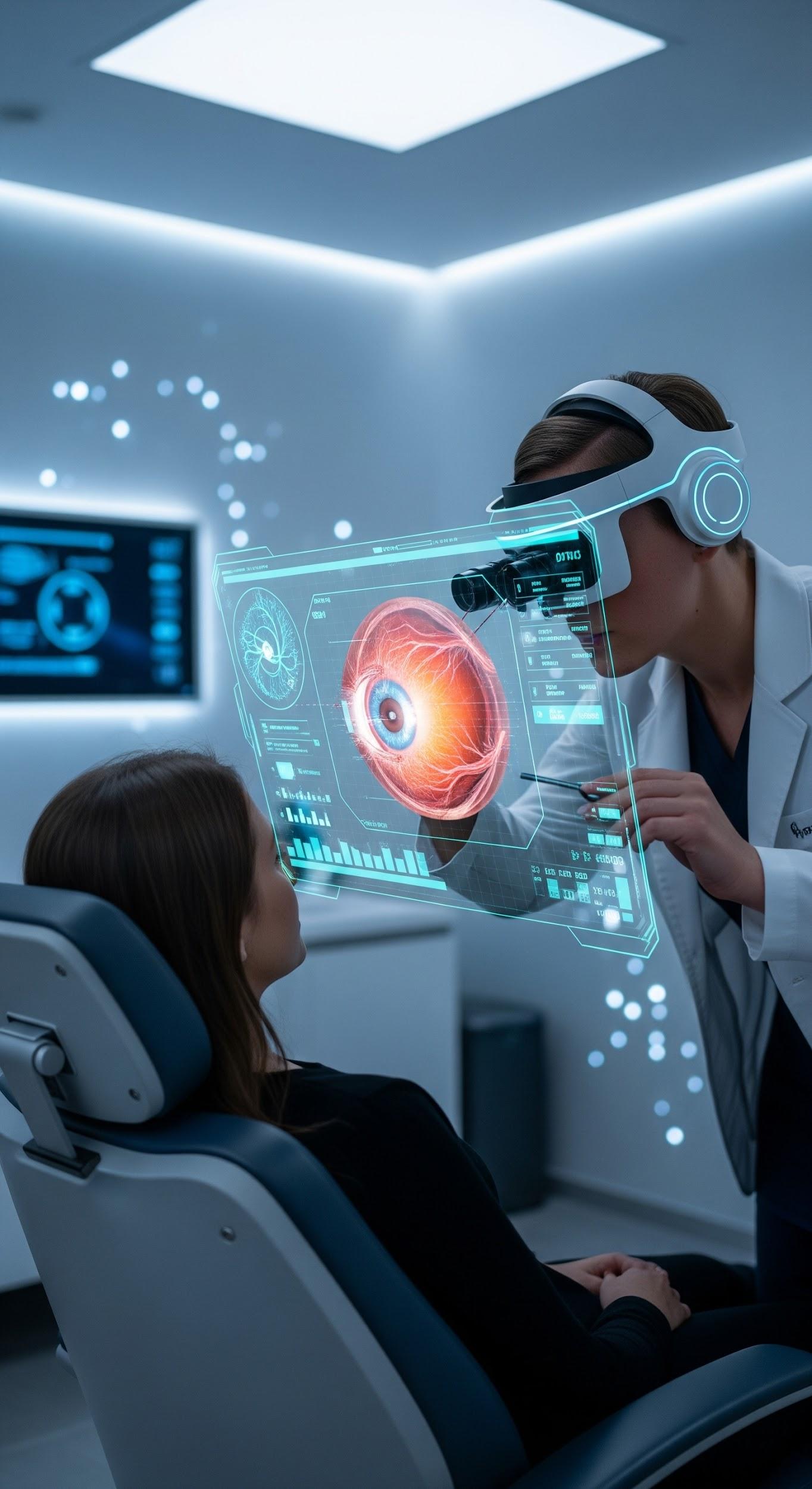
“Immersive technology isn’t optional anymore; it’s the future of patient safety.”
Planning an immersive program in ophthalmology?
We work with societies, medtech innovators and hospitals from first business case through to scaled deployment. Tell us where you are in the journey.
Related content
 Case studyOphthalmology
Democratizing ophthalmic knowledge
Physician leadership was critical to success as it would not only guarantee accuracy and educational integrity but also aid in adoption and scalability.
Read more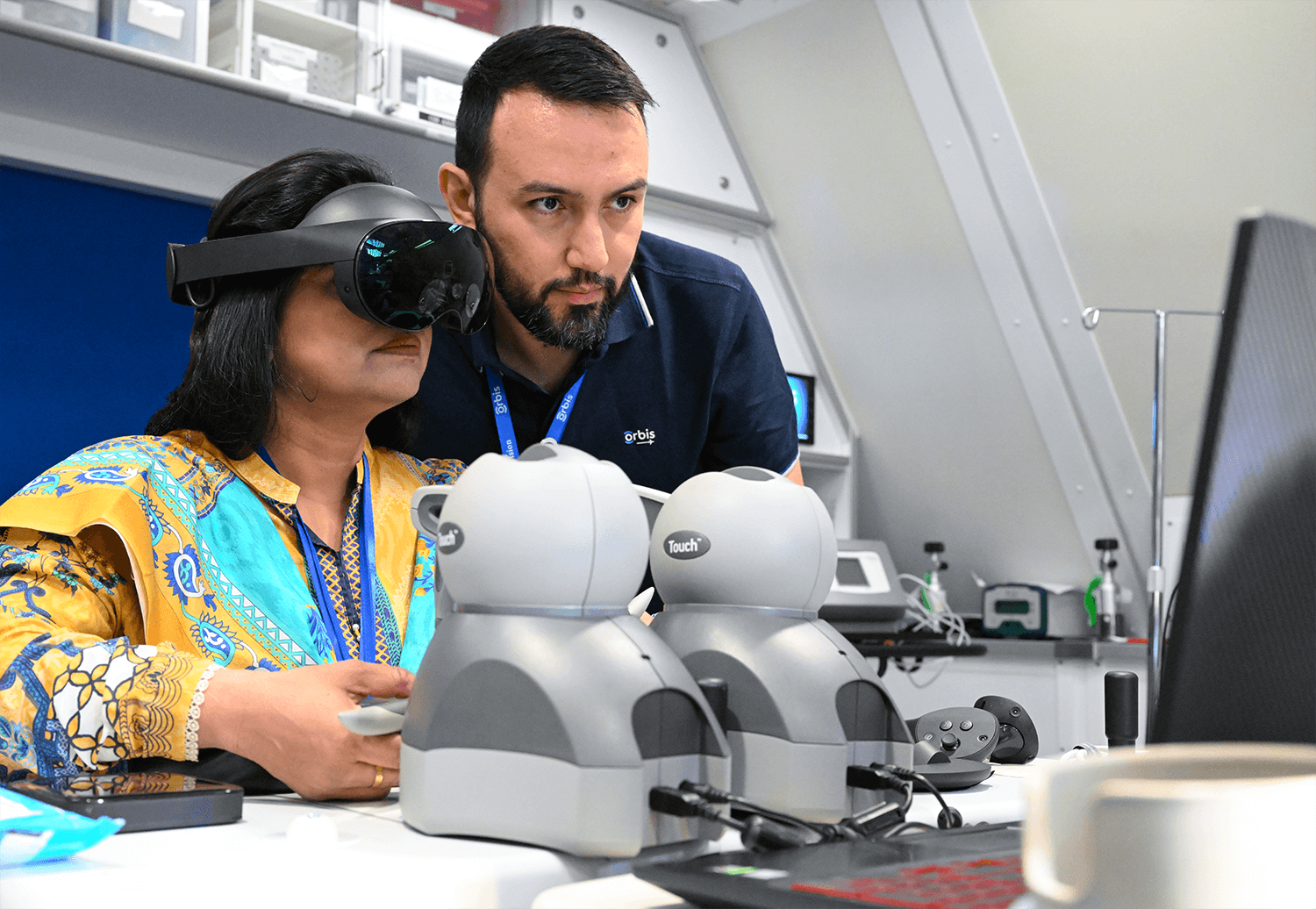 Case studyOphthalmology
Unlocking adoption for global access
A key breakthrough for the project was achieved when hospital-based training was introduced.
Read more White paperMedical education
Is your curriculum fighting human nature?
It’s time to embrace a new reality in medical education.
9 min readRead more