Case study · Ophthalmology
Democratizing ophthalmic knowledge
American Academy of Ophthalmology
AAO client journey snapshot
The American Academy of Ophthalmology is the world's leading association of eye physicians and surgeons. With a global community of 32,000 medical doctors, the AAO strives to protect sight and empower lives by serving as an advocate for patients and the public. Their mission is achieved through leading ophthalmic education, supporting research and the overall advancement of ophthalmology on a global scale.
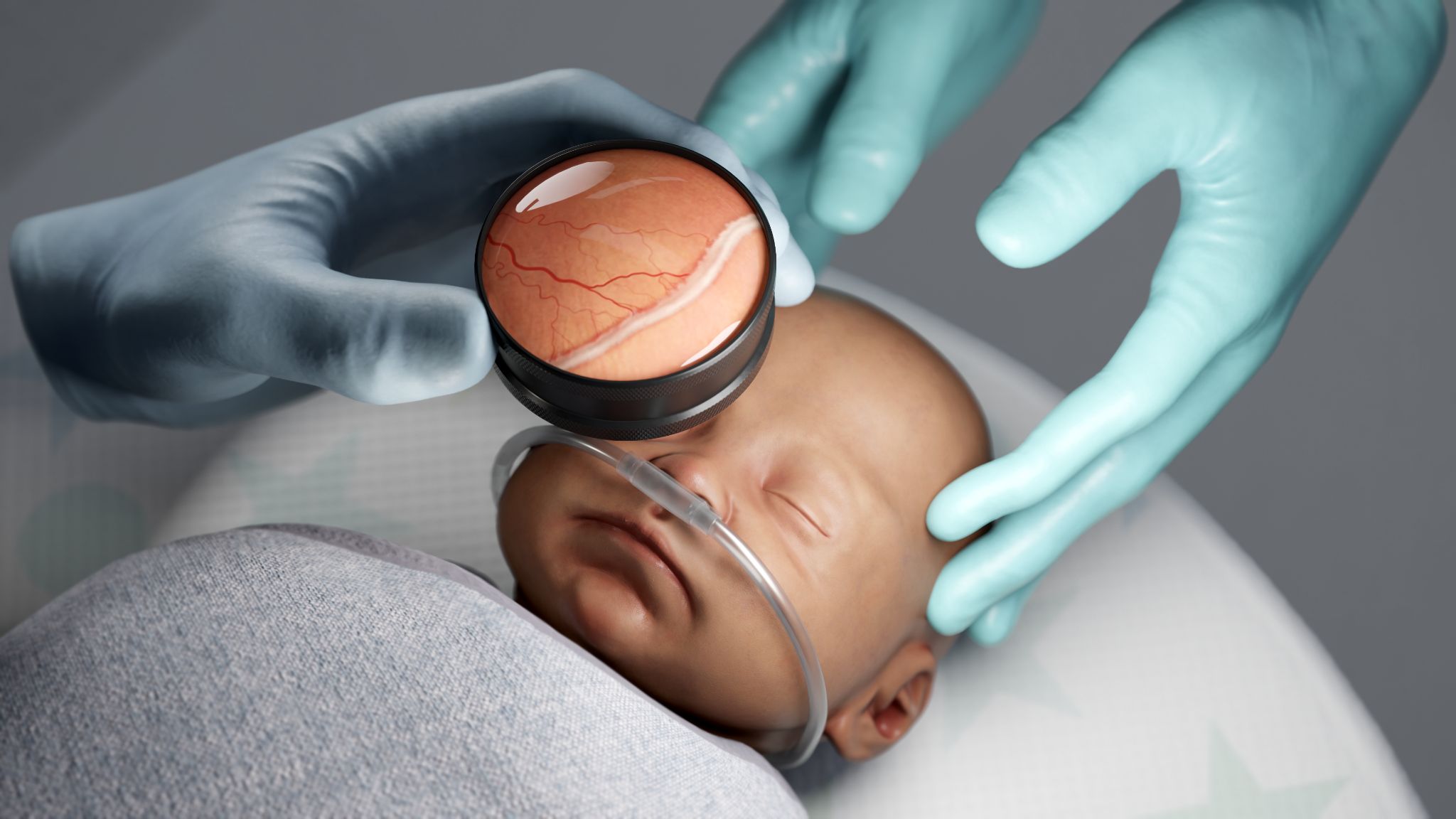
The AAO's journey with immersive technology began with a clear strategy to address a critical gap in training for retinopathy of prematurity (ROP), the leading cause of preventable childhood blindness. The vision for the project included the creation of a scalable training virtual platform hub that could link to other specialty training modules in the future.
Physician leadership was critical to success as it would not only guarantee accuracy and educational integrity but also aid in adoption and scalability.
Weekly calls were held to ensure every feature was meticulously defined and specific educational objectives achieved.
Accessibility was another key factor. The first version was launched on the Meta store, with the full simulation available for free to all accredited Academy members. A teaser demo module was also released to the wider public to broaden potential reach. Alongside this the simulation was also mobilized into a 3D web site to provide entry level access for users in regions and countries without VR access.
For the AAO, the ability to support their mission through access to high-quality simulation training, particularly for residents in underserved regions, is vital to achieving the democratization of ophthalmic knowledge. Future optimization is unlocked through the integration of immersive solutions into mainstream medical education.
Challenges
Promotion and raising awareness of the simulation across the community has been a challenge, partly because the technology isn't used everywhere. Testing the app and conveying issues in a repeatable, reproducible way has also been a challenge.
Solution
Having physician leadership directly involved in the development cycle is critical not only to the accuracy and ensuring educational value in the app, but also to the dissemination and promotion of the work to their peers worldwide.
Breakthroughs
Receiving positive feedback during development, or during activities that showed a lot of engagement from users. At our annual meeting in 2024 we were able to give members access to the simulation. This was incredibly useful and helped us achieve positive feedback.
UX insights
We've started to add video and ancillary help content to the simulator, and these should be instructive in the case users need additional support.
Future aspirations
We plan to create a suite of simulators within the application, like a virtual university or clinic, to address a range of learning concepts as well as diagnostic and management techniques that are difficult to practice and hone in real life.
Training for a high-stakes procedure?
We work with societies and academies to turn a training gap into a scaled, accessible program.
Related content
 Case studyOphthalmology
Unlocking adoption for global access
A key breakthrough for the project was achieved when hospital-based training was introduced.
Read more White paperOphthalmology
Roadmap to success
The adoption of immersive solutions is not a single event, but instead a comprehensive journey.
14 min readRead more